
The Heart of Detroit: Powering Change Block by Block
Jane Smith
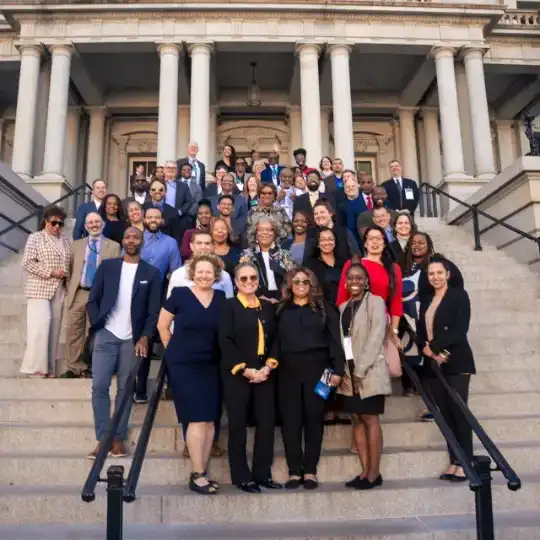
Enterprise and Detroit CDOs at the nation’s capital.Community development doesn’t happen from the top down — it’s built from the block up, by the people and organizations who know their neighborhoods best. That’s the vision behind Enterprise’s Community Partners’ Community Development Organization (CDO) Fund. Since 2020, Enterprise has invested nearly $40 million in 36 CDOs across Detroit, supporting the people and organizations working every day to make their neighborhoods more equitable, vibrant, and livable.These organizations are doing it all — from housing development to climate resilience, youth programming to economic revitalization. Together, they’ve created over $200 million in economic impact while employing more than 430 staff and local contractors. And beyond the numbers, they are transforming lives, restoring blocks, and building a future for Detroit residents — one home, one business, and one street at a time.Detroit’s strength has always come from its neighborhoods and the people who know them best. Through the CDO Fund, we’re making sure community organizations have the resources and staying power they need to turn vision into reality—whether that’s housing, economic development, or building the next generation of local leaders.Melinda Clemons, Vice President and Detroit Market Leader, Enterprise Community PartnersFrom Grit to GroundbreakingImageJeanine Hatcher and the GenesisHOPE team breaking ground on Preston Townhomes.Jeanine Hatcher, executive director of GenesisHOPE,(link is external) remembers when her organization was running on pure grit—no full-time staff, just volunteers and consultants. With support from the CDO Fund, GenesisHOPE has grown into a thriving organization with eight staff and a bold housing agenda. They recently broke ground on Preston Townhomes in Detroit's Islandview neighborhood, and they’re working to develop the Common Ground Community Land Trust to bring permanent affordability under community control.“It feels great to have achieved what we set out to do,” shared Hatcher. “We would not have 31 units made for families without the CDO Fund’s support, and we hope this is the first of many.” Building Back, Block by BlockImageQuincy Jones provides a tour of Osborn Neighborhood Alliance’sMapleridgeproject.On the northeast side of Detroit, Osborn Neighborhood Alliance is wrapping up their Mapleridge project(link is external). The organization took a block where homes were completely abandoned and transformed it into a place where families are moving in, becoming first-time homeowners of affordable duplexes, and renting out their second units to households with vouchers. The CDO Fund helped Osborn become an independent 501(c)(3) and take on development and rehab for the first time. “When you go back five years, you never would have thought that the street would come back, but with the right resources, proper planning, and an organization that knows how to do development, you can bring back a neighborhood,” said Quincy Jones, Executive Director of Osborn Neighborhood Alliance. “Now, there are no abandoned homes on that block, and we know for a fact that it’s our direct impact.”Money You Can Count OnImageLisa Johanon of Central Detroit Christian and George Adams of 360 Detroit (fifth and sixth from the right) celebrate their West Euclid Gateway Housing project.Across the board, CDO leaders emphasize the unique value of flexible, multi-year, operational support—a rarity in the nonprofit world. “Operating support is often the most difficult money to raise, so knowing you had a set amount of funding that was coming to you, that wasn’t restricted in terms of how it could be spent, has been phenomenal,” shared Lisa Johanon, Founder and Executive Director of Central Detroit Christian(link is external).Central Detroit Christian used some of their operating support to pay the mortgage on their building, which serves as their office, as well as a community space. “We’re almost debt free right now—that is incredibly exciting because that money will be freed up to either invest in programs or people,” said Johanon. “We’re getting ready to launch a private school and hope to develop permanent supportive housing for 40 families next year.”As part of the West Euclid Gateway Housing project,(link is external) CDC is also wrapping up the rehab of 20 homes with 360 Detroit(link is external), a member of the Elevating CDO cohort of the Fund. This smaller cohort is focused on building up the capacity of emerging non-profitsthat benefit from the intensive support. “Multi-year funding for operating support was huge. We were able to hire support staff and programming staff, and plan a few years out,” shared George Adams, executive director of 360 Detroit, “Because of that operational support, we’re able to totally focus, the community benefits, the organization benefits, it’s beneficial to the whole ecosystem.”Collaboration over CompetitionImageGovernor Gretchen Whitmer (fifth from left) and Caitlin Murphy (third from right) celebrate Live6 Alliance’sMichigan Main Street designation.(link is external)Another common theme echoed by all CDO Fund participants was the unique strength of the cohort model. “We're all representing different organizations, different parts of the city,” said Caitlin Murphy, executive director of Live6 Alliance(link is external). “Given the nature of fundraising and running small nonprofits, sometimes it feels like we're in competition with one another. The CDO Fund really built an understanding that there's a larger strategy that we could tap into as a collective to advocate for resources, policy, reform.”Live6 is part of Enterprise’s Key Corridors cohort of CDOs focused on revitalizing commercial corridors in Detroit by encouraging responsible development and supporting business growth. As Pamela Martin, president and CEO of Vanguard Community Development, another Key Corridors member, put it, "A cohesive group is stronger than disparate, individual groups in a city as large as Detroit. We’ve built relationships with one another, even talking about doing collaborative work, which would not have happened without Enterprise.” That collaboration also goes beyond Detroit. The CDO Fund hosts learning exchanges in other cities where community organizations are doing exciting work. “If it can happen in Atlanta, D.C., Baltimore, theoretically, it can happen in some fashion here in Detroit,” said Martin. “It’s important to be inspired and dream big.” What’s next?Detroit’s CDOs are ready to take on more. More homes. More commercial corridors. More inclusive development that centers residents. But they need sustained investment—and the CDO Fund is proof that it works. The CDO Fund is powered by seven incredible philanthropic partners who have seen the success of our partners on the ground firsthand: Kresge Foundation, Ford Foundation, Kellogg Foundation, Ballmer Group, Gilbert Family Foundation, Ralph C. Wilson, Jr. Foundation, and Hudson-Webber Foundation. Their support has directly helped Detroit’s CDO ecosystem expand in capacity and cross-collaboration. With planning for the third round of funding underway, Enterprise looks forward to seeing local leaders make an even greater impact on the city and invites philanthropic partners to join the fund and be a part of that change. Related Topics:Detroit

Swiss running brand On became $3 billion richer in the last week. It’s coming for Nike and Adidas next
John Smith
Sitting in their Zurich headquarters, On’s sanguine co-CEO, Martin Hoffmann, and his colleague and On co-founder Caspar Coppetti, have reason to be relaxed. Another quarter of unexpected growth has notched another $3 billion to their brand’s value.There is an elephant in the room, however. It’s not taking up much room though, given the elephant is a newly-empty seat at the CEO table.Hoffmann will soon take on the role of On’s CEO alone when his co-CEO Marc Maurer leaves the company in June. Maurer said he planned to embark on a “new chapter” in his professional life after more than 14 years at the company. Maurer and Hoffmann both joined On from Swiss food retailer Valora in 2012 and 2013, respectively, as COO and CFO, with Maurer wooing his friend over to what was then a little-known running startup. The pair has operated as co-CEOs since 2021.From July, though, Hoffmann, a financial whizz by trade and by nature, will take the reins of On alone, without Maurer to lean on. “I had a really strong relationship with Marc and a deep, deep friendship,” Hoffmann toldFortunefollowing the release of On’s first-quarter earnings. “I will miss that, but we have been super close, basically in all parts of the business, together with different focuses. But there are no blind spots, and we are not changing strategy.”Hoffmann, whose priority will shift from his current dual role as CFO, admits he loves numbers as much as he does people. For a company better known for design, innovation, and cool collaborations with Gen Z idols, finance will need to take a backseat.“The strength of On is not the numbers, it’s the team,” said Hoffmann.“My goal was to enable this team to be at their best. And I don’t think this changes. The focus from where I do it will change, but the perspective stays the same.”Hoffmann could hardly take sole charge of On in a better position.On Tuesday, the group reported a 43% surge in revenue in the first quarter of 2025 compared with a year earlier, while it increased its revenue and profitability guidance for the rest of the year.The last quarter marked the second in a row that On beat its revenue expectations. New brand partnerships, including a February Super Bowl advertisement featuring tennis great and On investor, Roger Federer, and Elmo, have helped the company defy short-run expectations within a wider goal of doubling sales between 2023 and 2026.On wrapped up its earnings week by hitting a record valuation of $19.65 billion as investors piled into the running brand in the wake of the surprise results, having started the week valued at around $16 billion. On is now the third most valuable publicly traded footwear brand in the world behind Nike and Adidas.The group’s surge has come as those legacy sportswear companies have regressed. Shares in Nike have plunged more than 15% since the start of the year, while Adidas shares have fallen more than 8%. On, meanwhile, has risen in value by 8% this year. With a current running shoe market share of around 10%, the company’s leadership is laser-focused on driving this even higher. “Our long-term vision is to be the number one brand in running,” Coppetti toldFortune. On’s marketingGetting to the mantle of the number one running brand certainly looks a lot more realistic now than when its co-founders first started experimenting with strapping hose pipes to the bottom of traditional running shoes. It is, however, a different path from the one that brought On to this point. On evolved as a challenger brand largely through word-of-mouth marketing and an opportunistic boom in running among younger people, whose higher disposable income, social media awareness, and newfound focus on fitness have proved a goldmine for the athletic brand. “I think we’re benefiting from this health and wellness trend where younger adults… they’re going to the gym rather than going to the bar,” said Coppetti. The group’s successful partnership with Zendaya hasn’t hurt its appeal with young customers either. “We’re quite obsessed,” Coppetti says about continuing to enhance On’s brand recognition.The company has been forensic in transitioning from an online model to erecting physical stores, considering exactly where to place each of its 53 stores, right down to the street corner, to maintain its exclusivity while growing. “We don’t want to overshoot, and that allows us to, for example, be very selective with retail partners we want to work with, or which stores we want to be in, which street, which corner of that street we want to have our store on and it all feeds into this premium positioning,” says Coppetti.On’s two London stores exemplify that strategy, with one located on the exclusive Regent’s Street, and the other in the trendy east-side shopping zone of Spitalfields. Coppetti notes some 200 people take part in a run club from that store regularly. You can be pretty confident that an On rep will make an undercover appearance at other run clubs, too.“We actually go out and we go to the major running routes in the big cities, and we go and count people, and we see what products they are wearing, both footwear and apparel,” Coppetti said.The company does the same at running events. On gets more cut through among short distance runners, up to half marathon distances. It’s hoping to grab more marathon runners when it launches its “super shoes” later this year. There will be other challenges along the way. Still a nascent brand, On hasn’t yet proved it can ride out demand dips and move beyond fears that it is a “fad” shoe. And despite having operations in the U.S., the Swiss brand is no less exposed to tariffs than its competitors. Still, On is planning price increases this year, unrelated to tariffs, and CEO Hoffmann thinks customers are ready to stay on the ride, however bumpy things get.“We want to be the most premium global sports brand, and premium is the decisive word here,” Hoffmann says. “And if you are clear about the North Star, we actually have clear direction in kinds of uncertainties like this.”Join us at the Fortune Workplace Innovation SummitMay 19–20, 2026, in Atlanta. The next era of workplace innovation is here—and the old playbook is being rewritten. At this exclusive, high-energy event, the world’s most innovative leaders will convene to explore how AI, humanity, and strategy converge to redefine, again, the future of work. Register now.

Target foot traffic is still down after 3 months in the fallout of dismantling DEI and subsequent boycotts
Robert Smith
Target’s foot traffic fell for the third consecutive month since it rolled back its diversity, equity, and inclusion (DEI) initiatives, but it ended an 11-week slump with two consecutive weeks of modest gains.Recommended VideoFoot traffic was down 3.3% YoY in April, following dips of 6.5% in March and 9% in February, according to data from Placer.ai.The retailer’s weekly slump began in the first full week after its January 24 announcement that it was eliminating its DEI program, but it finally inched into positive territory the week leading up to Easter that began April 14, with a gain of 0.4% YoY, following with an even wispier gain of 0.1% for the week that began April 21.Target, which in recent years championed terms like racial justice and social justice and was a full-throated advocate for DEI, surprised many when—just four days after President Donald Trump’s inauguration and one day after he demanded that both governmental agencies and companies dismantle DEI—the company did exactly that.In retrospect, though, Target’s capitulation was no surprise at all. According to recent filings with the Federal Election Commission, a full two weeks before it caved on DEI, Target made its first-ever donation to an inauguration, in the form of a $1 million check to Trump’s inaugural committee on January 10.Target did not respond to Retail Brew’s request for comment.Costco, which unlike Target resisted demands to spike its DEI program, has seen YoY foot-traffic gains for every month this year, including April, when it gained 3.4%, according to Placer.ai.Costco’s streak of foot-traffic gains finally ended after 16 weeks, however, when it fell 2.5% on the week leading up to Easter, before roaring back with an 8.6% gain on the following week, which began April 21.Drop ’till you shop: It’s hard to know what helped Target break its 11-week slump, but the week it finally posted foot-traffic gains was the first full week after it dropped its widelycovered collab with Kate Spade New York on April 12. Another collab, with Parachute Home, dropped toward the end of the second week when Target saw slight foot-traffic gains, on April 27.Correlation—yes, this has become our admittedly uncatchy catchphrase—is not causation, so there’s no hard proof that Target’s DEI switcheroo has been the primary culprit for its foot-traffic losses over the last three months. But the top comments on the brand’s social media channels are dominated by criticism from users who say they were once frequent Target shoppers who stopped after its DEI reversal.Among those who haven’t forgotten about Target’s DEI rollback are the more than 150,000 who signed on to the 40-plus day church-led Lenten boycott. The protest was scheduled to end on Easter, but organizers decided to continue the boycott because Target did not restore DEI.This report was originally published byRetail Brew.Join us at the Fortune Workplace Innovation SummitMay 19–20, 2026, in Atlanta. The next era of workplace innovation is here—and the old playbook is being rewritten. At this exclusive, high-energy event, the world’s most innovative leaders will convene to explore how AI, humanity, and strategy converge to redefine, again, the future of work. Register now.

Trump calls his 50-year mortgage idea ‘not even a big deal’ while insisting ‘the economy is the strongest it’s ever been’
Jane Williams
President Donald Trump played down the significance of his proposed 50-year mortgage plan in a recent interview, calling it “not even a big deal… it might help a little bit,” during a segment on Fox News with Laura Ingraham. The idea, which aims to extend mortgage terms for Americans, has triggered a wave of criticism across the political spectrum, as Ingraham noted, with some labeling it a financial trap for homebuyers and a windfall for banks.Recommended VideoIn the interview aired onThe Ingraham Angle, the Fox host pressed Trump on the impact of his housing proposals, including the much-discussed 50-year mortgage concept. Housing costs, Ingraham noted, are pushing the average age of first-time buyers to 40—“sad for the country,” she remarked. Trump defended the policy by saying he “inherited” the predicament and characterized the shift from traditional 30-year to potential 50-year mortgages as minor: “It’s not even a big deal … all it means is you pay less per month, you pay it over a longer period of time. It’s not, like, a big factor. It might help a little bit,” Trump insisted.Trump’s housing director, Bill Pulte, was much more positive on the idea’s impact. “Thanks to President Trump, we are indeed working on The 50-year Mortgage – a complete game changer,” the Federal Housing Finance Agency Director Bill Pulte said Saturday in a statement released on social media.Trump further argued that the more pressing issue was the spike in interest rates, blaming President Biden and Federal Reserve Chair Jerome Powell—whom he referred to as “Too Late”—for sluggish responsiveness. Trump assured viewers that interest rates would come down, but defended the overall strength of the economy under his stewardship: “Even with interest rates up, the economy is the strongest it’s ever been,” he asserted.Ingraham raised the issue of people saying they have significant anxiety about the economy in the electorate, and Trump pushed back. “I don’t know that they are saying that. We’ve got the greatest economy that we’ve ever had.”Ingraham and critics push backThe plan didn’t escape harsh scrutiny, including from Ingraham herself. She pointed out that the backlash wasn’t coming just from Democrats but also from within Trump’s own base, who characterize extended mortgages as giveaways to banks and mortgage lenders. She said Trump’s base was “enraged” and asked him about a “significant MAGA backlash, calling it a giveaway to the banks and simply prolonging the time it would take for Americans to own a home outright. Is that really a good idea?” Ingraham asked.On social media and in public statements, several Republican figures lashed out at the proposal. Rep. Thomas Massie (R-KY) compared the idea to having no real ownership at all, asking, “How is ‘here, enjoy this 50 year mortgage’ different from ‘you will own nothing and you will like it?’” Rep. Marjorie Taylor Greene (R-GA) worried the plan would “ultimately reward the banks, mortgage lenders and homebuilders while people pay far more in interest over time and die before they ever pay off their home. In debt forever, in debt for life!”Conservative media voices echoed these concerns. Glenn Beck described the plan as “almost like… ‘you will own nothing and be happy.'”Bloomberg Opinion’s Allison Schrager, on the other hand, wrote on Tuesday that it’s a good idea, with the market clearly expressing a need for something like the 50-year mortgage to exist. It’s “not a terrible idea,” she wrote, adding that while people who sell their homes before their mortgage matures will get less value, “that may be a worthwhile tradeoff for someone who needs or wants a lower monthly payment.” Still, she added she’s concerned it will be difficult to price and she still has some deep concerns about the idea.
The Heart of Detroit: Powering Change Block by Block
Jane Smith
Swiss running brand On became $3 billion richer in the last week. It’s coming for Nike and Adidas next
John Smith
Target foot traffic is still down after 3 months in the fallout of dismantling DEI and subsequent boycotts
Robert Smith
Trump calls his 50-year mortgage idea ‘not even a big deal’ while insisting ‘the economy is the strongest it’s ever been’
Jane Williams

Missing Middle: 3 Ways to Scale Low-density Multifamily Housing
Robert Miller

Ryanair fares set to rise by nearly 20% as airline plots profit rebound
Emily Johnson

Bidding war sends rare ‘Mediterranean Blue’ diamond to $21.5 million at Sotheby’s auction, but not everyone’s dazzled
Michael Johnson

Storm Ready: Helping Gulf Coast Housers Prepare for Severe Weather
Michael Miller

‘We’ve probably made housing unaffordable for a whole generation of Americans’: top real-estate CEO on the real cost of Covid economic firefighting
Robert Miller

A Once-in-a-Decade Tax Policy Opportunity
John Miller

Senate Advances FY26 Housing and Community Development Spending Proposals
Sarah Johnson
The Senate Appropriations Committee approved(link is external) its HUD fiscal year 2026 (FY26) spending bill proposal(link is external) on July 24, rejecting many of the drastic cuts and proposals to consolidate rental assistance and homelessness programs that were included in the President’s Budget Request, and avoiding many of the cuts that were proposed in the House bill. The Senate Appropriations Subcommittee for Transportation, Housing and Urban Development, and Related Agencies (THUD) proposed $73.3 billion for HUD in net discretionary funding, $3.1 billion above what the agency currently is funded at for FY25 under the full year Continuing Resolution.In addition to rejecting the administration’s proposals to consolidate rental assistance programs into a state-based rental assistance program and merging the Homeless Assistance Grants and the Housing Opportunities for Persons with Aids programs to the Emergency Solutions Grant programs — the Senate proposal provides overall higher levels for the rental assistance programs compared to the House proposal. The bill does also not include any language that would provide additional flexibility for Public Housing Agencies to enact time limits or work requirements for rental assistance programs. Overall, the legislation provides higher amounts for housing and community development programs including providing level funding for the HOME Investment partnership program, which was proposed to be eliminated in the President’s Budget Request and House proposal. The bill would provide a slight reduction to the Community Development Block Grant program but does include funding for the PRO Housing Grant program. A breakdown of the affordable housing and community development spending levels can be found in our Fiscal Year 2026 Budget Request and Appropriations Chart. Here’s where funding for some of HUD’s key programs stands compared to last year’s budget:$37.4 billion for Tenant-Based Rental Assistance (Housing Choice Vouchers), a $1.3 billion (3%) increase from FY25 and $2.1 billion (6%) above the House.$17.8 billion for Project-Based Rental Assistance, a $1.3 billion increase (8%) from FY25 and $677 million (4%) above the House.$8.4 billion for Public Housing Fund, a $400 million (5%) decrease from FY25. This total includes $4.87 billion for the operating fund, $602 million (11%) below FY25, and $3.2 billion for the capital fund, level with FY25. $972 million for Section 202 Housing for the Elderly, a $40 million (4%) increase from FY25 and $12 million (2%) above the House.$265 million for Section 811 Housing for Persons with Disabilities, $8 million (3%) above FY25 and $3 million (1%) above the House.$4.5 billion for the Community Development Fund (CDF). Of this, $3.1 billion is allocated for the CDBG, which is $200 million (6%) less than what was provided in FY25 and the House proposal. An additional $1.3 billion in CDF is for earmarks and congressionally directed spending projects. The Senate also includes $60 million for the PRO Housing Grants program, $40 million (40%) less than what was provided in FY25. The House no funding for the PRO Housing Grants programs$1.25 billion for the HOME Investment Partnership Program, level with FY25. The House proposed to eliminate funding for the HOME program.$4.51 billion for Homeless Assistance Grants, $450 million (11%) above FY25 enacted. This includes $290 million for Emergency Solutions Grants (ESG) and $4 billion for Continuum of Care (CoC), rejecting the administration’s proposal to consolidate the Housing Opportunities for Persons with Aids, ESG, and CoC programs.$1.35 billion for Native American Programs, level with FY25. This includes $1.11 billion for the Native American Housing Block Grant formula program and $100 million for the competitive program, both level with FY25.$156 million for the Family Self-Sufficiency (FSS) program, $15.5 million (11%) above FY25 and $31 million (25%) above the House.$86.4 million for the Fair Housing Activities, level with FY25 and $56 million (193%) above the House. The proposal maintains the funding for the Fair Housing Assistance Program ($26 million), National Fair Housing Training Academy ($1.5 million), and the Limited English proficiency initiative ($1 million). The bill also maintains funding for the Fair Housing Initiatives Program (FHIP) at $56 million, which was proposed to be eliminated in the President’s Budget Request and House proposal.$49 million for the Section 4 program, a $7 million (17%) increase from FY25 and the House.$40 million for the Choice Neighborhoods Initiative, a $35 million (47%) decrease from FY25. The House proposed to eliminate funding for this program.$10 million for the Preservation and Reinvestment Initiative for Community Enhancement (PRICE) program, level with FY25. The House proposed to eliminate funding for this program.U.S. Department of Agriculture (USDA)On July 10, the Senate Appropriations Committee unanimously approved(link is external) the proposed spending levels for rural housing programs(link is external) under the USDA Rural Housing Service. Below is an overview of the spending proposal:$1.715 billion for Section 521 Rental Assistance, $73 million (4%) above FY25 and equal to the House. This bill continues to provide authority for its mortgage decoupling pilot, increasing the number of eligible units from 1,000 units to 5,000 units.$1 billion for the Section 502 Single Family Housing Direct Loan Program, $284 million (40%) above FY25 and $120 million (14%) above the House. It also provides $5 million for the Tribal Direct Relending Pilot, $367,000 above FY25 and $1 million below the House.$400 million for the USDA Section 538 guaranteed loans to preserve and rehabilitate USDA rental housing, level with FY25 and the House.$50 million for the Section 515 Rural Rental Housing program, $3 million (6%) above FY25 and $10 million (17%) below the House.$34 million for the Multi-family Housing Preservation and Revitalization Program, $12 million (26%) below FY25 and $4 million (13%) above the House.Congress is not expected to pass any of the 12 appropriations bills before the September 30 deadline. It is expected that there will be one or more continuing resolutions to extend funding to avoid a government shutdown. In the recent fiscal years, the first continuing resolution typically went well past Thanksgiving and lasted into the December holidays. Enterprise will continue to advocate to both chambers for the highest possible funding levels for affordable housing and community development programs.To stay up to date with critical housing policy news,subscribeto our bi-monthly Capitol Express newsletter. Related Topics:Policy
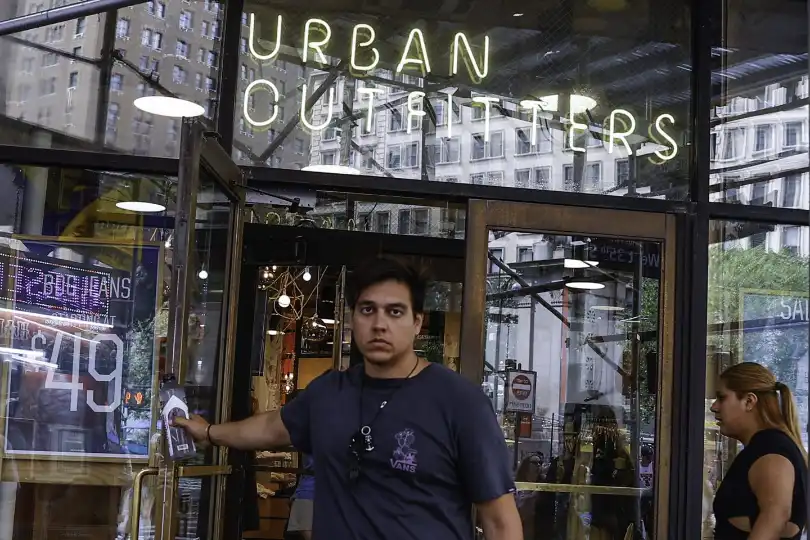
Tariffs are threatening the accuracy of fall fashion trends by forcing earlier clothing shipments amid supply-chain headaches, Urban Outfitters CEO says
Michael Davis
The fashion industry had a unique concern about the impact of tariffs. Continued uncertainty has pushed Urban Outfitters to move up shipments of its fall product, putting it at an increased risk of miscalculating fall fashion trends. Apparel retailers must strike a balance in giving themselves time to predict new styles, while also shipping inventory early enough to sell it all to consumers, Northeastern University professor Shawn Bhimani toldFortune.President Donald Trump’s tariffs may mean that your new autumn sweaters may already be so last year.Recommended VideoThe U.S.’s steep levies on clothing production giants like China and India is forcing retailers like Urban Outfitters to make supply-chain changes that may result in stocking inventories that don’t fully align with seasonal fashion trends.Urban Outfitters chief financial officer Melanie Marein-Efron said the Philadelphia-based apparel retailer will likely have to pull forward shipments of its products for autumn as result of tariff concerns.“While our teams continue to focus on increasing inventory turns, the uncertainty around tariffs means we are likely to bring in fall product a bit earlier,” Marein-Efron told investors on Wednesday following its first-quarter earnings report.She added that because of tariffs, as well as to plan for future supply-chain disruptions, the retailer needed to plan to pull forward its fall inventory, which is less sensitive to changing fashion trends.In order to save on costs, the company will shift its shipping method from air to sea, which will add about 30 days to the products’ delivery time. While Urban Outfitters may secure its fall inventory, the earlier shipment dates means it won’t have as much time to predict what styles consumers will want once the leaves start to change colors and temperatures cool.“There is always a risk as you go out in time that the fashion might not be as accurate as we would like it to be,” Urban Outfitters CEO Richard Hayne told investors.As Urban Outfitters grapples with the ramifications of tariffs, so too do other retailers having to scramble to rearrange supply chains, as well as pull forward shipments of goods to dodge the impact of the levies. Logistics professionals warn whipsaw tariff policies are encouraging stockpiling behaviors, which may result in headaches down the line for retailers like shortages or inventory pile-ups.URBN—the parent company of Urban Outfitters, as well as Anthropologie, Free People, and Nuuly—reported strong first-quarter earnings, posting 11% sales growth in the first quarter and a 5% increase in same-stores sales. Its quarterly revenue of $1.33 billion exceeded the $1.29 billion analysts expected.Trouble for the fashion worldFor the apparel industry, widespread tariffs represent a threat to the delicate balance retailers have in predicting what people will want to buy, and procuring those items on a timeline that will allow them to sell most of that inventory, according to Shawn Bhimani, assistant professor of supply chain and information management at Northeastern University.“To mitigate the cost of tariffs, we are procuring inventory early or shipping it on a more economical ocean freight, and that means that we’re having to predict much earlier,” Bhimani toldFortune. “The further out someone tries to predict the future, the more incorrect the prediction will be. That’s where we get into trouble with the fashion industry.”Retailers are also having to contend with consumers who may slow down their spending once tariff-induced price hikes go into effect. Combined with plenty of products that may not resonate with consumers, stores may be saddled with inventory or be forced to sell it to third-party vendors at a massive discount.Retailers will weigh their options on how best to mitigate the impact of tariffs. Some may switch from ocean freight to the more expensive air freight to give themselves more time to assess consumer trends. Others may resort to delayed differentiation, shipping products to their facilities, but waiting on more seasonal-trends data to dye or alter pieces of clothing in bulk, for example, Bhimani said.More broadly, many companies will look for new suppliers, or have candid conversations with current suppliers about their changing needs. The results of these conversations may be changes in “incoterms,” or rules that distinguish the responsibilities of buyers and sellers. Rather than a supplier shipping a product to a port, for instance, it may instead ship goods to a factory. Ultimately, Bhimani said, these changes in terms become a broader conversation around who pays for tariffs: the supplier, or the retailer.The fashion industry is just one of many that has turned to expanding supply chains and stockpiling goods as a means of bracing for the impact of tariffs, the terms of which will likely continue to shift as they have since February. These near unanimous concerns have already caused foundational changes in global supply chains, Bhimani argued.“We’re seeing this mass canvas, people canvassing around the world looking for alternative options and backup options,” he said. “That’s what’s really coming out here, is uncertainty has led to the need for diversification.”Join us at the Fortune Workplace Innovation SummitMay 19–20, 2026, in Atlanta. The next era of workplace innovation is here—and the old playbook is being rewritten. At this exclusive, high-energy event, the world’s most innovative leaders will convene to explore how AI, humanity, and strategy converge to redefine, again, the future of work. Register now.

Building Back in LA
John Smith
After the devastating wildfires at the start of 2025, the city and county of Los Angeles have made historic strides toward wildfire recovery(link is external), completing the fastest hazardous materials cleanup in the Environmental Protection Agency’s history, and removing debris at a historic pace in Pacific Palisades. Yet even in well-resourced areas, residents of multifamily and nontraditional housing are often overlooked. For example, the burned-down Tahitian Terrace mobile home park(link is external) was not included in the federally funded debris removal program until five months after the fire. In less-resourced areas like Altadena, the pace of cleanup and rebuilding has been even slower. Six months after the fires, many residents still lack the necessary resources to rebuild and face a difficult path of returning to their communities. The long road to recovery demonstrates how our disaster recovery systems are not prepared to support people who are the least able to prepare for and recover from disasters.Recovery, in Altadena or anywhere else, is not just about raising enough money for communities. It is also about how that money is invested, for whose benefit, and to what lasting effect. Robin hughes, president and CEO, the Housing Partnership NetworkNatural disasters stem from the stark reality of our changing climate and will continue to drive displacement if government fails to invest in more inclusive preparedness and recovery systems, especially for people who are most vulnerable. Even before the L.A. wildfires, natural disasters forced an estimated 11 million people in the United States(link is external) to relocate in 2024.We urge state and local leaders to move forward with effective policymaking and ongoing community engagement, necessary to reduce inequities in both post-disaster recovery and future disaster planning.Recovery, Rebuilding, and Reimagining for the Future Following the L.A. wildfires, local and state leaders introduced and implemented several proposals to expedite debris removal, streamline rebuilding, and provide direct assistance to residents and businesses in fire-impacted areas. However, to ensure an equitable recovery, policymakers must prioritize community resiliency and redesign disaster recovery systems to better withstand future events.As disasters worsen in both frequency and impact, a community resiliency framework must guide future policymaking to prioritize:State and local investments in wildfire mitigation and resilienceto reduce risk to life and property. This includes expanding programs like CalHome(link is external) to help low- and moderate-income homeowners make critical repairs, incorporating fire-resistant upgrades into weatherization assistance programs such as the Low-Income Weatherization Program(link is external), and funding proactive mitigation strategies such as defensible space maintenance(link is external), home hardening(link is external), prescribed burns(link is external) and fire-smart landscaping(link is external). Policymakers should also support the development of higher-density affordable housing(link is external) in infill areas that are less vulnerable to wildfire risk. Insurance strategies that protect all sectors, addressing existing market failures such as prohibitive cost of coverage, lack of coverage for multifamily properties, and lack of access to disaster insuranceDistribution of resources for homeowners who wish to rebuildin their communities, with local protections to ensure survivors can return home without being priced out or displacedStreamlined developmentwith a focus on increasing affordability and climate resiliency in the redevelopment of communitiesCommunity-centered disaster planning and preparednessto ensure that jurisdictions, community members, businesses, and affordable housing providers have the knowledge and resources to keep their communities safe from the effects of climate changeCommunity Stabilization in AltadenaIn Altadena, where the fires affected more than 10,000 commercial properties and residential homes and displaced thousands of families, community members, local leaders, and nonprofit organizations are coming together to combat the speculative market and prevent further displacement. Backed by State Sen. Sasha-Renee Perez, a coalition of partners led by the California Community Land Trust Network, Los Angeles Community Land Trust Network, and Inclusive Action for the City, is pursuing a state allocation of $200 million to acquire fire-damaged properties(link is external). The homes will be redeveloped as affordable housing and/or maintained under community ownership models. Enterprise is proud to join partners in support of these efforts, which are critical for preventing permanent displacement of wildfire victims and ensuring that community ownership can be preserved. Driving through fire-ravaged neighborhoods reveals the true extent of the devastation: debris-covered lots, burned vehicles, and remains of former homes going back generations. Recovery in these neighborhoods is far from complete, and current systems in place are failing to reach people most in need. Robin Hughes, president and CEO of the Housing Partnership Network, lost her own Altadena home(link is external) alongside thousands destroyed in January's Eaton Fire. Before leading the national collaborative of nonprofit housing organizations, Hughes spent 26 years at Abode Communities, guiding the creation of thousands of units of sustainable affordable housing in California. "Recovery, in Altadena or anywhere else, is not just about raising enough money for communities," Hughes said. "It is also about how that money is invested, for whose benefit, and to what lasting effect."Reimagining Systems for Long-term RecoveryDisaster recovery can take years — sometimes decades. Rebuilding L.A. will continue to demand coordination and planning across jurisdictional boundaries. And preparing communities for future disasters will require reimagining systems at all levels of government to integrate resiliency into our environment, infrastructure, and communities — including housing. We believe that recovery efforts should be inclusive of all sectors of our housing system, and that community needs must be met with sustained investments for long-term recovery and resiliency. Enterprise will continue to leverage its role as an intermediary to engage community partners, policymakers, government agencies, and public and private partners to ensure that recovery planning and policy is forward-facing. Read part one and two in the Building Back in LA series:Prioritizing Wildfire Resilience for Affordable HousingandA Climate Crisis We Can No Longer IgnoreRelated Topics:ResiliencePolicy Southern California

Why LVMH’s $1 billion Formula One bet is more than the average luxury partnership
David Brown
When LVMH inked an estimated $1 billion deal with Formula One late last year, it marked a turning point for the luxury company’s involvement in sports. Recommended VideoF1 is the most elite motorsport, with 24 races worldwide. LVMH’s 10-year collaboration involves three of its brands participating in the events, including Tag Heuer replacing Rolex as the official timekeeper and bespoke Louis Vuitton trophy trunks being gifted to winners. This past weekend, as teams were gearing up for the Monaco Grand Prix, LVMH chief Bernard Arnault visited the Red Bull Racing paddock with his sons: Frédéric, CEO of Loro Piana responsible for the F1 partnership; Alexandre, the deputy CEO of the wines and spirits division; and Jean, Louis Vuitton’s watch director.Tag Heuer became the official F1 timekeeper and first title sponsor for the Monaco race. The brand has a long connection with the city-state, having designed a watch collection sharing the “Monaco” name in 1969. It also has a whole line of F1-themed watches that can cost as much as £4,750.Its timekeeping return, having last been the official timekeeper in 2003, has put the LVMH-owned watch label on shoppers’ radars.“Since the beginning of 2025, traffic is up double digits in the stores,” Tag Heuer’s CEO Antoine Pin toldVogue Business. “We adjusted production slightly upward on the car-related models, like the Carrera and the Monaco [to meet demand]. These models are pulling the business forward, which is also why I think the F1 works.” F1 visibility could reap benefits over time, too. Although its events have attracted A-listers all over the world, F1 races have appealed to a younger and wider demographic, boosting their viewership and interest. Netflix’sDrive to Surviveshow also helped make the sport feel more accessible by offering a glimpse of what goes on behind the scenes.This bodes well for Tag Heuer, which has been growing in traction. It’ll be prominent at F1 races (some, like Monaco, more than others), which last the entire year and will be another way for the company to flaunt its historic ties with F1. Tag Heuer’s position jumped in the list of top 20 Swiss watch brands by sales from 15th in 2023 to 11th in 2024, according to a report published by Morgan Stanley and LuxeConsult earlier this year. “We are in a phase where we establish our role as the timekeeper. In the future, we could focus [our message] on the spectacular aspect of Formula One and the emotions it generates, all that contributes to its ongoing appeal,” Pin said. LVMH has made inroads into the world of sports in more ways than F1. The company partnered with the Paris Olympicslast year, with Chaumet designing the winners’ medals and Louis Vuitton creating the medals trunks encasing them until they were awarded. Louis Vuitton was the title partner of America’s Cup in Barcelona, a collaboration with the sailing championship that dates back to 1983.Last year, the conglomerate also bought a majority stake in the soccer club Paris FC, while Chanel became the official partner for The Boat Race in the U.K. between Oxford and Cambridge universities.LVMH and other luxury players could use an injection of excitement now, especially as the luxury downturn continues while a global trade war leaves brands grappling with uncertainty. The intersection of luxury and sports allows luxury labels to influence different groups of buyers through athletes and events. If successful, they could draw larger audiences, both for the sporting event and the brands. Representatives at LVMH didn’t immediately return Fortune’s request for comment.Join us at the Fortune Workplace Innovation SummitMay 19–20, 2026, in Atlanta. The next era of workplace innovation is here—and the old playbook is being rewritten. At this exclusive, high-energy event, the world’s most innovative leaders will convene to explore how AI, humanity, and strategy converge to redefine, again, the future of work. Register now.

Warren Buffett’s Berkshire Hathaway and Zillow say mortgage rates can’t fall enough for Americans to afford a home
Emily Johnson

A Lifetime of Building Community in New Orleans
Jane Smith
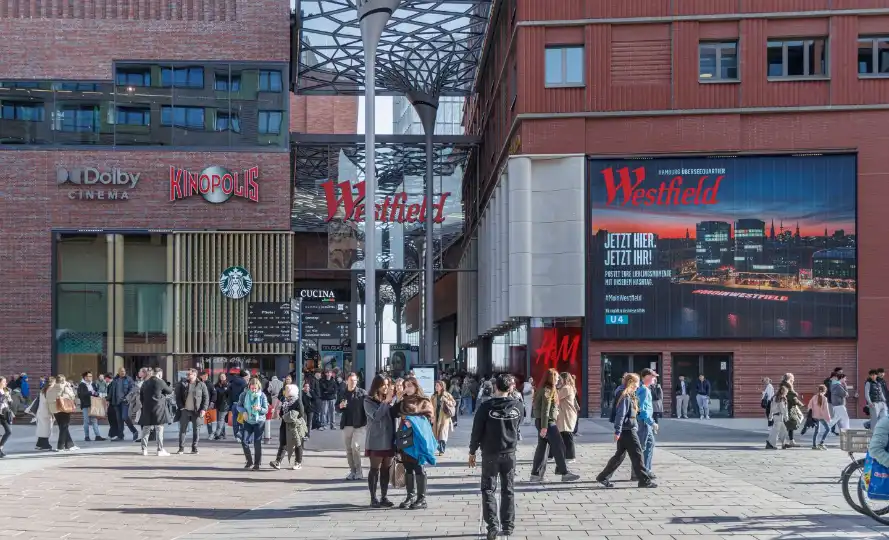
Europe’s last mall? Hamburg marks the end of an era as Westfield looks to Saudi Arabia for its next retail boom
Emily Williams
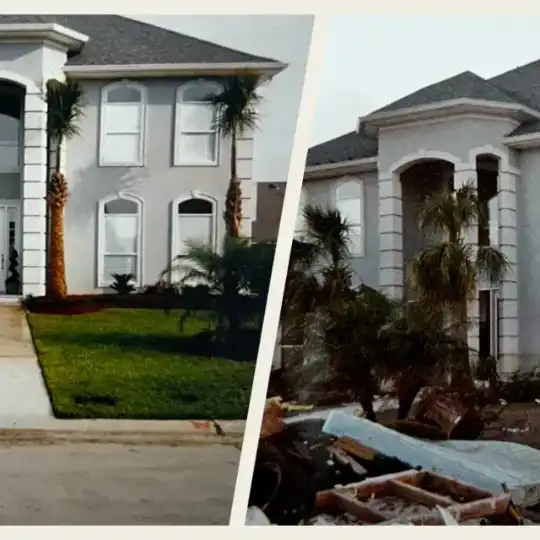
Supporting Each Resident: 20 Years After Hurricane Katrina
David Miller

Four Key Findings from the 2025 State of the Nation’s Housing Report
Robert Miller

The housing affordability crisis is so bad that the average American first-time homebuyer is 40 years old
Emily Davis

Tesla shareholders beg for Elon Musk to focus on the company, asking the CEO to work at least 40 hours a week
Jennifer Johnson

Let them eat cake! French bakeries are protesting because opening on May 1 is (possibly) against the law
David Brown
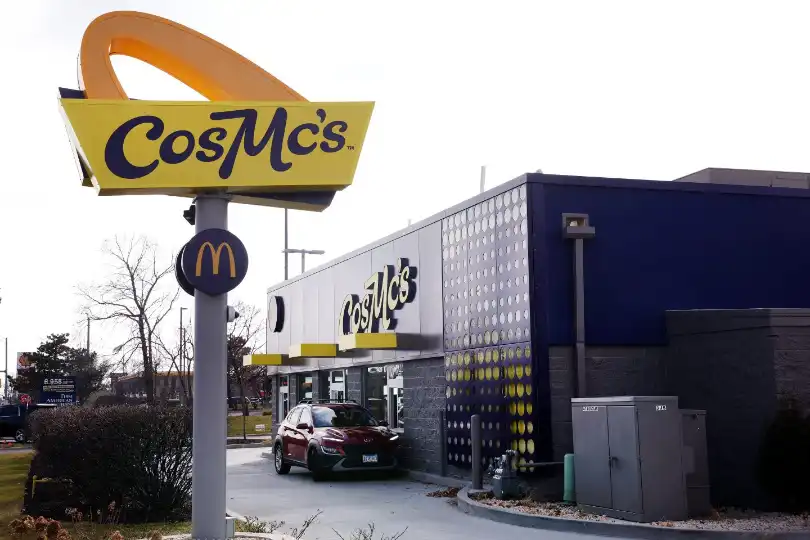
McDonald’s pulls the plug on beverage-focused CosMc’s
John Smith

The housing market, workers, and the economy are all stuck
Emily Johnson

Gap says Trump’s tariffs could cost the company a whopping $300 million, sending shares into a tailspin
Jennifer Brown

Jaguar is going on a world tour to sell its controversial rebrand to wealthy art lovers
Jennifer Brown
Latest Articles

LVMH’s U.S. CEO is glad ‘pretty annoying’ quiet luxury term has died
Robert Williams

Walmart and Amazon prices are going up despite Trump’s China tariff reduction
Jane Johnson

Overcoming Barriers to Successful Appraisals on Tribal Trust Land
Jane Johnson
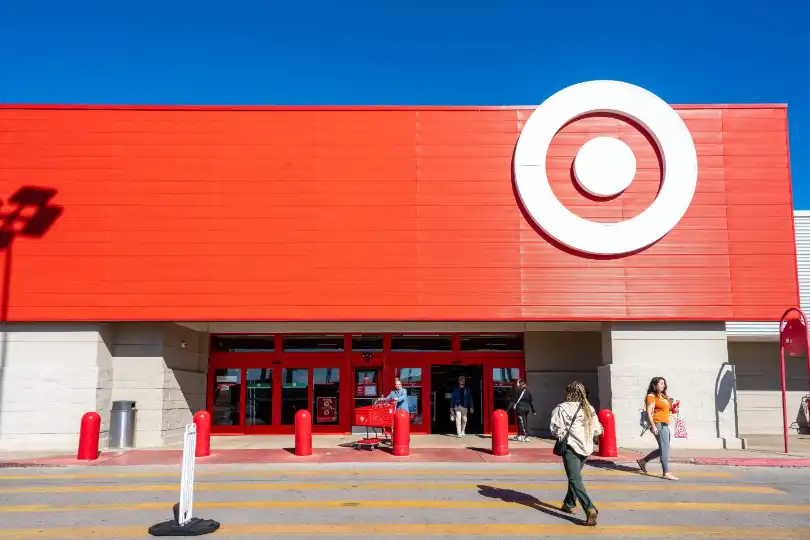
Target missed analysts’ sales expectations by nearly half a billion dollars in the aftermath of DEI-related boycotts
Robert Jones
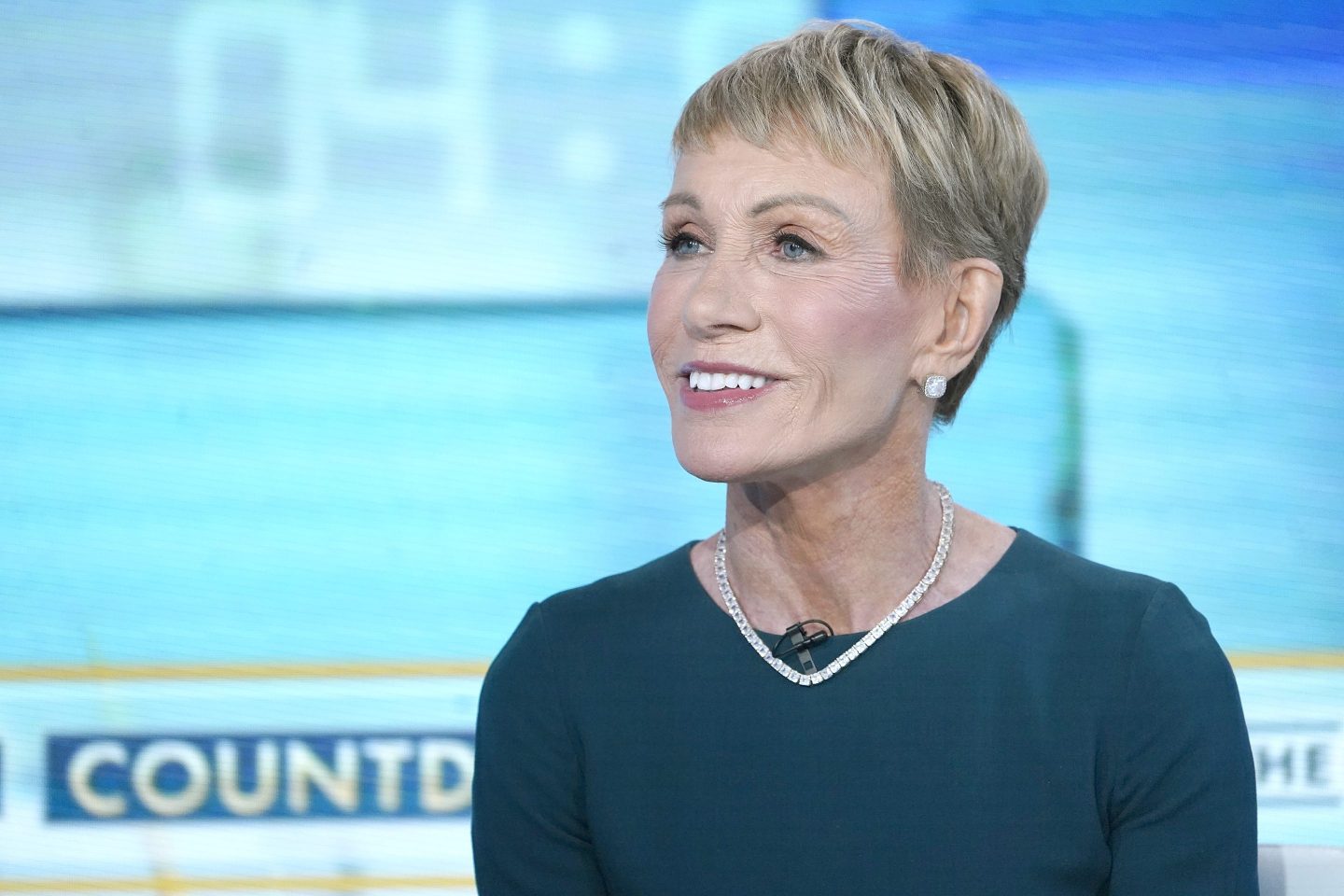
Self-made millionaire Barbara Corcoran reveals her ‘golden rule’ of real estate investing
Jennifer Smith

Reaching New Champions to Build a Bigger Choir
Jane Smith

Building Something New: Tackling the Housing Crisis at the State and Local Level
Sarah Miller

Eliminating Barriers to Housing through Zoning Reform
David Williams

Unlocking Transformative Development
Robert Miller

Spirit Halloween’s meme-worthy $2 billion business is successful thanks to scooping up short-term leases from bankrupt stores
Emily Williams